

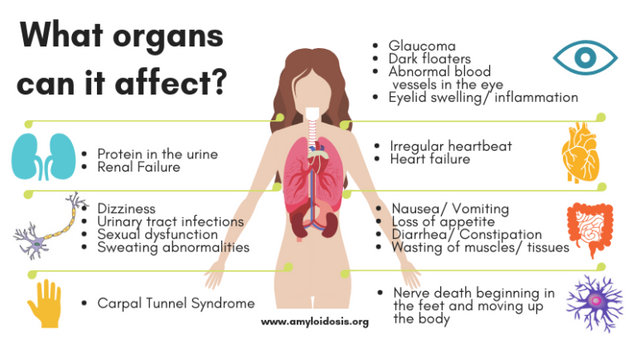
Amyloidosis was once considered a difficult-to-manage rare disease with limited treatment options. Today, advances in medical science have transformed its management. Doctors now focus on stopping the production of abnormal amyloid proteins, slowing organ damage, and improving patients’ quality of life. The choice of medicines depends largely on the type of amyloidosis and the organs involved.
Treatment Approach: Target the Source
The core principle in treating amyloidosis is simple: stop the body from making the harmful protein. Once production is controlled, existing deposits may stabilize or even regress, and further organ damage can be prevented.
Medicines for AL (Light-Chain) Amyloidosis
AL amyloidosis originates from abnormal plasma cells in the bone marrow. Therefore, doctors use chemotherapy-based medicines, similar to those used in multiple myeloma.
Commonly used drugs include:
- Bortezomib – a frontline drug that rapidly reduces light-chain production
- Cyclophosphamide – suppresses abnormal plasma cells
- Dexamethasone – enhances the effect of chemotherapy
- Daratumumab – a newer targeted therapy that has significantly improved response rates
In eligible patients, doctors may also recommend autologous stem cell transplantation, which can offer long-term disease control when performed at the right time.
Medicines for ATTR Amyloidosis
ATTR amyloidosis occurs due to misfolded transthyretin protein, either from aging (wild-type) or genetic mutations (hereditary).
Key medicines include:
- Tafamidis – stabilizes the transthyretin protein and slows progression, especially in cardiac amyloidosis
- Patisiran and Inotersen – reduce transthyretin production at the genetic level and are particularly effective for nerve involvement
These targeted therapies represent a major breakthrough and have changed survival and quality-of-life outcomes for many patients.
Supportive & Organ-Specific Medications
Alongside disease-modifying treatment, doctors prescribe supportive medicines to manage symptoms:
- Diuretics for heart failure and fluid overload
- Medications for nerve pain and autonomic symptoms
- Kidney-protective measures and blood pressure control
Supportive care plays a critical role in helping patients live better while definitive treatment controls the disease.
The Bigger Picture
Amyloidosis is no longer a condition without options. With early diagnosis, correct classification, and access to modern medicines, many patients can now live longer and healthier lives. The challenge that remains is awareness—among patients, physicians, and health systems—so treatment can begin before irreversible organ damage occurs.
Timely medicines don’t just treat amyloidosis—they change its future.